A Kids of the Future Foundation Initiative
Trophex Care. Real food. Real dignity. Real climate action.
Trophex Care is the dignity-first food access program inside Trophex, operated by Kids of the Future Foundation. We recover surplus food before it reaches landfill, and redirect it to verified families across Canada - through trusted community partners, with respect, with choice, and with no paperwork at the door.
What it is
A food recovery program built on dignity.
Most food support systems make families wait, prove, or feel ashamed. Trophex Care is different.
Through the Trophex platform - a Canadian food recovery infrastructure built to redirect surplus from grocers, bakeries, restaurants, farms, and producers before it becomes waste - Kids of the Future Foundation operates Trophex Care: a dignity-first community access program supporting verified households through trusted local partners.
No long forms at the door. No public lines. No judgment. Just real food, accessed through trusted community partners, in a way that respects the family receiving it.
Trophex Care is the charitable arm of the Trophex platform - designed to ensure that recovered food reaches the families who need it most.

How it works
Local recovery, coordinated with care.
Step one
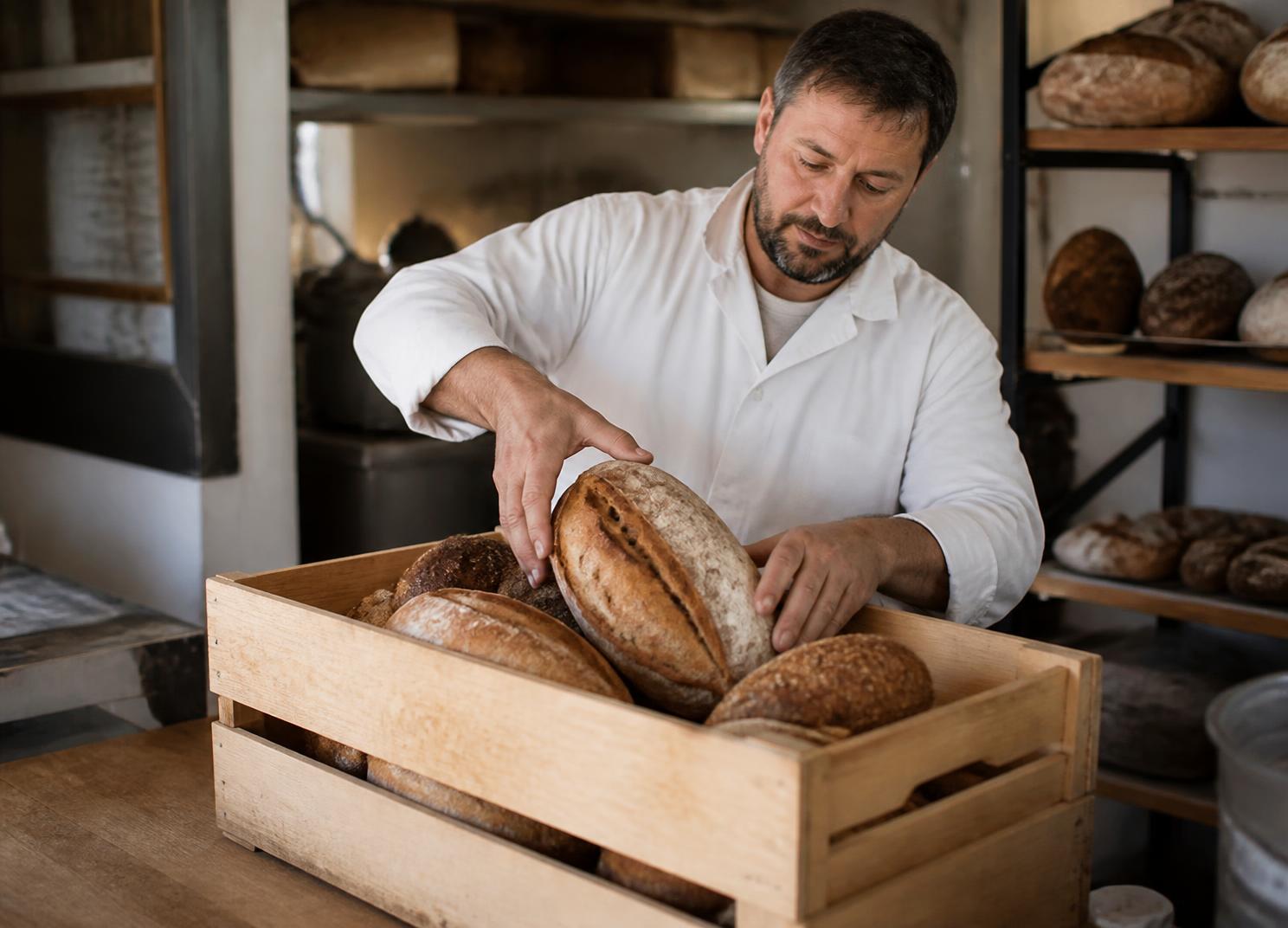
Recover surplus locally.
Participating grocers, farms, and producers opt in to make usable surplus available on the Trophex platform before it would otherwise reach landfill. Recovery is voluntary, local, and traceable.
Recovery happens where the food already is, with the partners who already steward it.
Step two
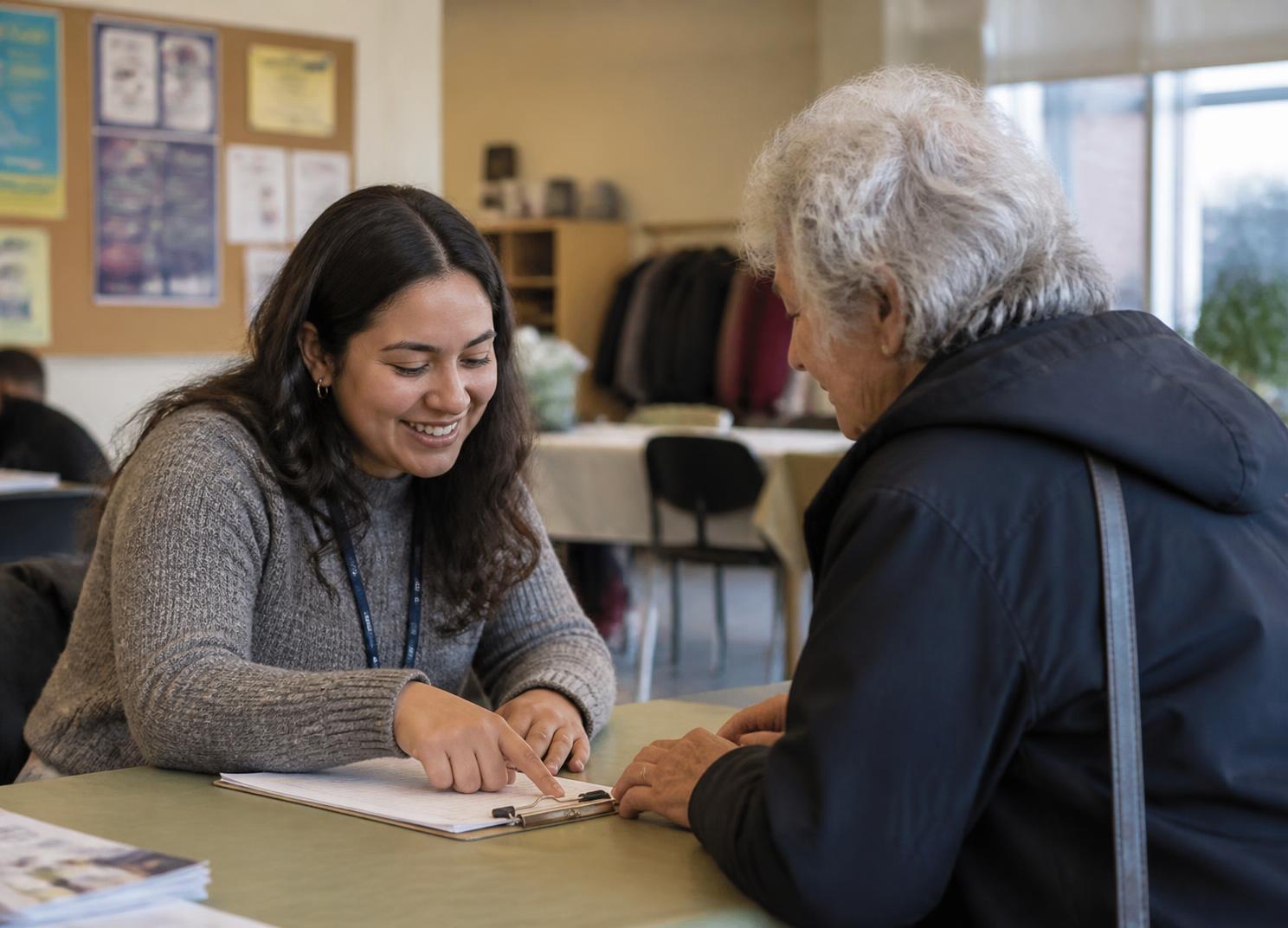
Coordinate trusted access.
Trusted nonprofit and community partners verify family access and coordinate local pickup pathways. Trophex Care extends their capacity rather than replacing the relationships families already rely on.
Working alongside community partner organizations across Ontario, and growing.

Step three
Keep good food in communities.
Families gain access through partner referral and trusted community pathways. Access is private, respectful, and built around the household, not paperwork.
- Referral through community partners
- Verification through the Trophex Care intake
- Urgent need pathway for families in crisis
- Local pickup coordination, sized to household needs
- No public lines, no paperwork at the door
Privacy and dignity are protected at every step.
Step four
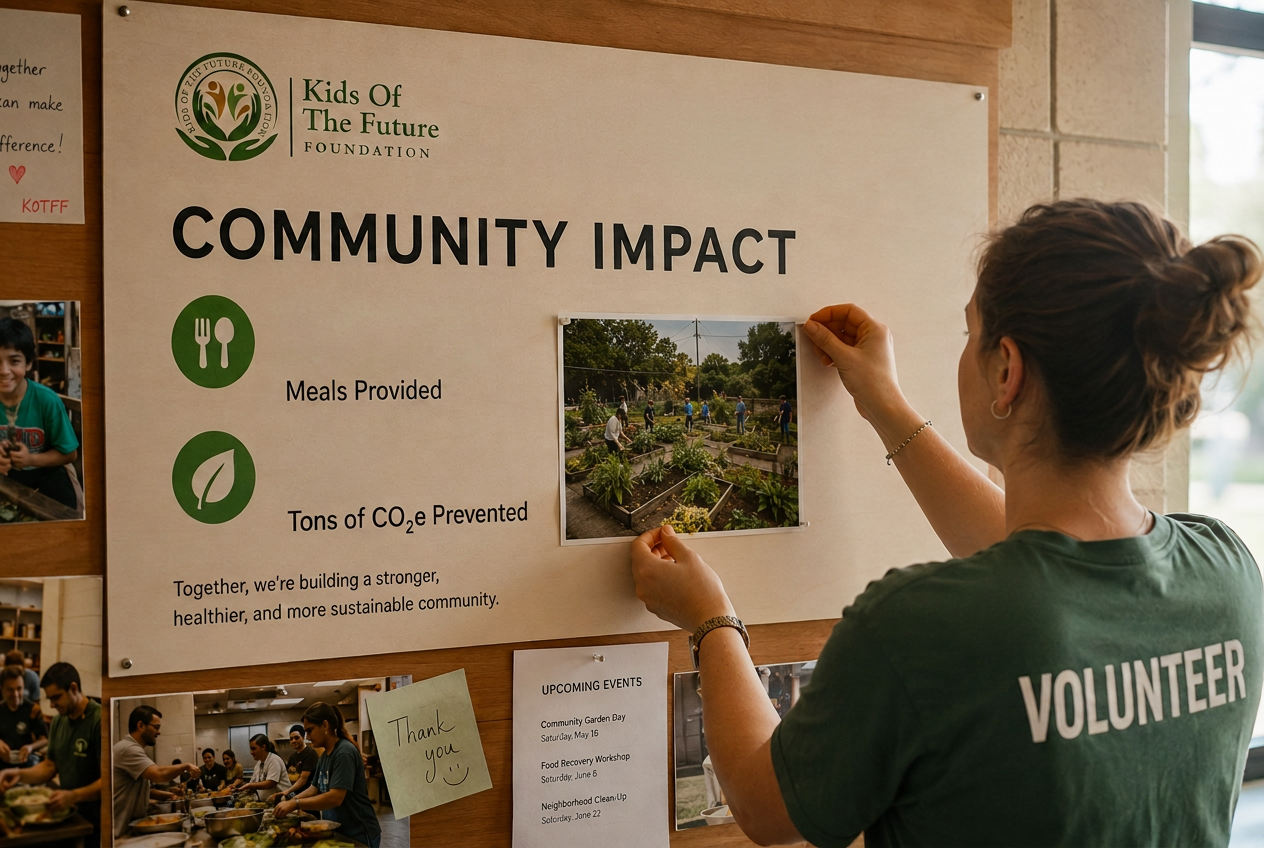
Report openly.
Recovered food, partner participation, and environmental outcomes are shared openly with donors, partners, and the communities involved as the program grows.
Transparency is how a community organization earns the right to ask for trust.
Why this work matters
Two crises. One local response.
Edible food is sent to landfill while families across Canada face food insecurity. Trophex Care exists where those two realities overlap, working locally with the partners already on the ground.
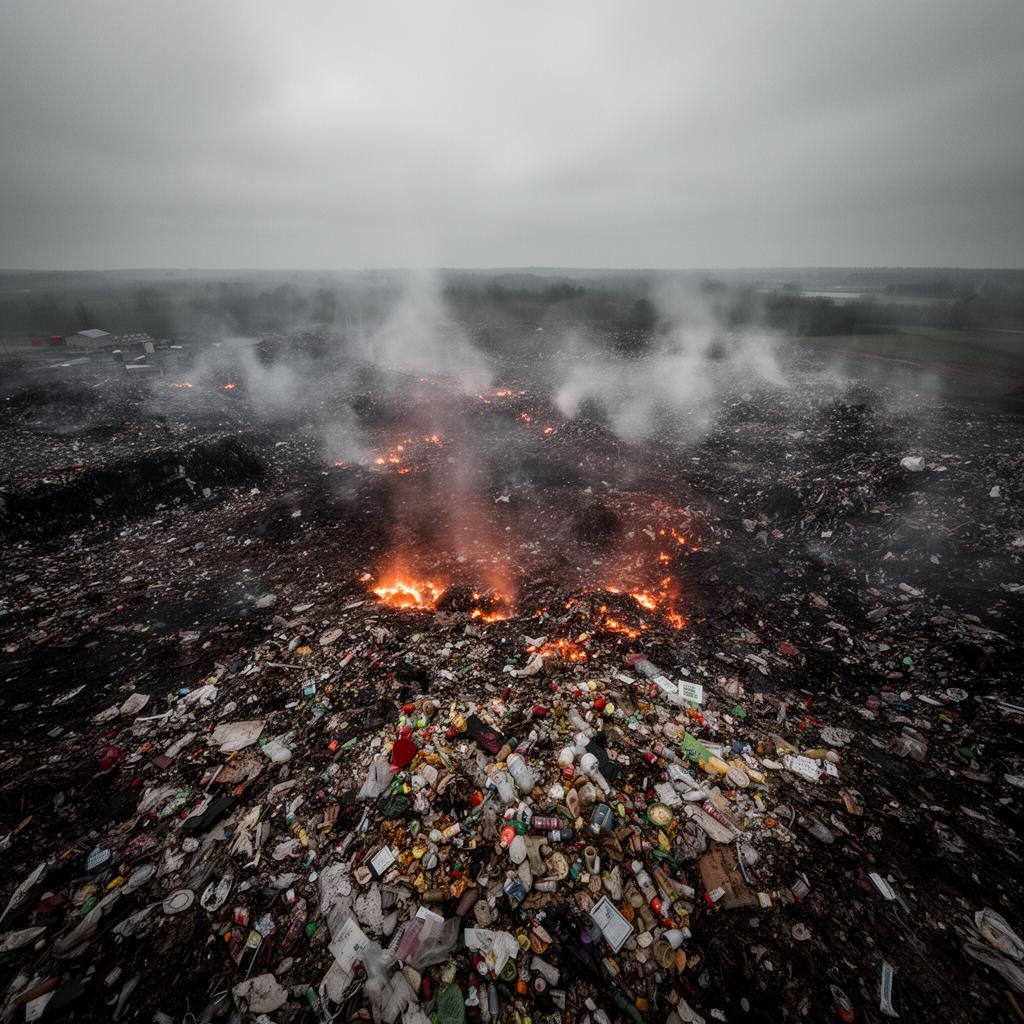
Food sent to landfill releases methane as it breaks down.
Food waste fuels climate harm.
When edible food rots in landfill, it releases methane, a greenhouse gas more potent than CO₂ over the short term. Recovering usable surplus before disposal is one of the most immediate ways communities can reduce organic waste at the source.
Every pound kept out of landfill is a pound the climate does not have to absorb, and a pound that can still nourish someone locally.

Food insecurity affects households in every Canadian community.
Hunger is closer than we think.
Food insecurity touches neighbours, classmates, and co-workers across Canada. Many households navigate it quietly, between groceries, rent, and care responsibilities.
Much of the food that could ease that pressure already exists. It sits on shelves, in fields, and in warehouses, waiting for a coordinated way back into the community.
of food produced in Canada is lost or wasted
Source: Second Harvest
Canadians experienced food insecurity
Source: Statistics Canada / PROOF
Canadian children in food-insecure households
Source: PROOF
“Every meal recovered is two wins - one for a family, one for the planet.”
The Trophex Care Promise
Why the model works
The closed loop, finally closed.
Recovery
Trophex captures surplus food before it reaches landfill - preventing methane emissions at the source.
Dignity
Trophex Care supports families through trusted community partners - no public lines, no shame, no paperwork at the door.
Transparency
Recovered food, partner participation, and environmental impact are reported openly as the program grows.
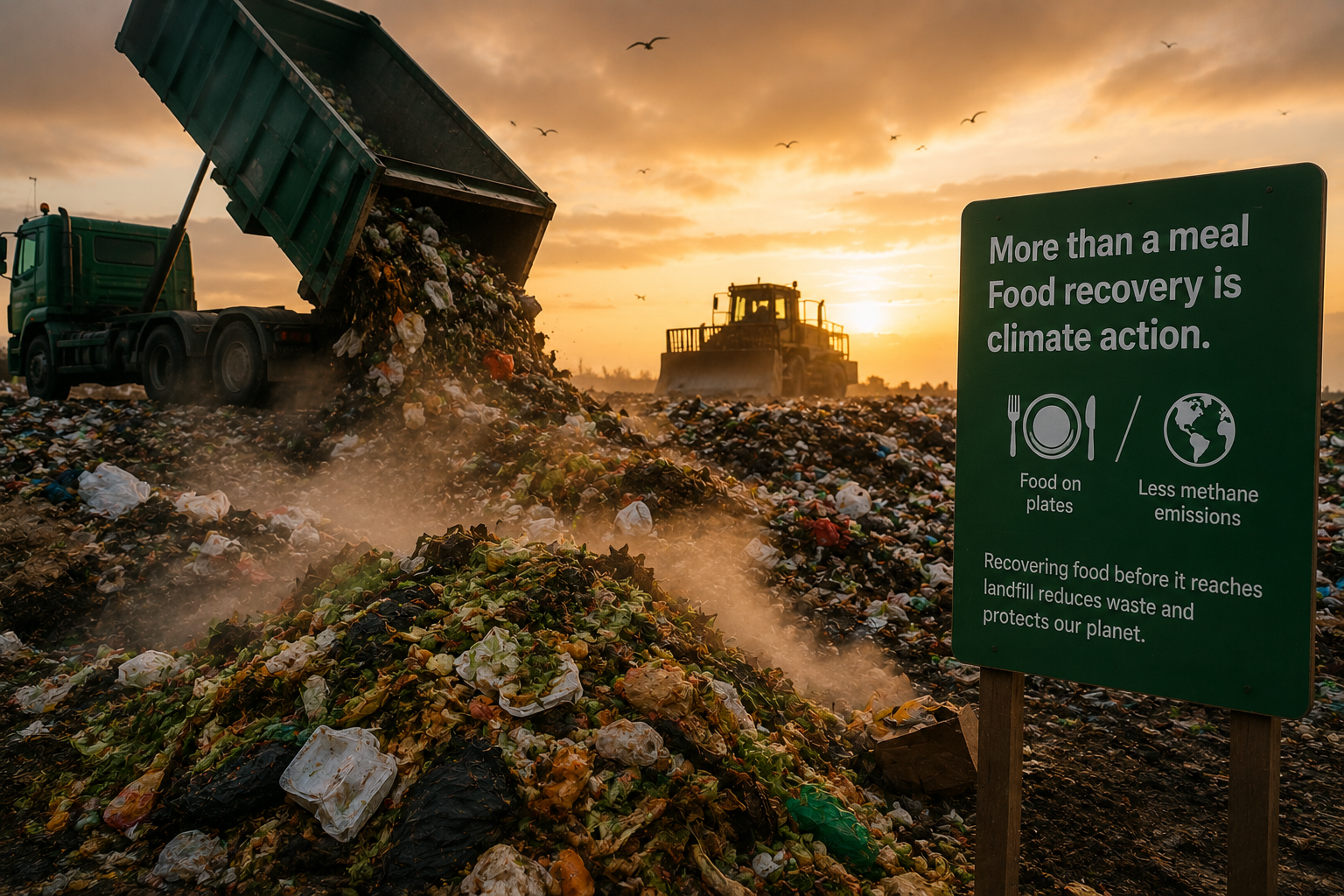
More than a meal
Food recovery is climate action.
When food rots in a landfill, it releases methane - a greenhouse gas far more potent than CO₂. Every pound of food Trophex Care recovers is food that stays on plates and out of waste streams.
This is why Trophex Care is not just a food access program - it is also climate action. Recovering usable food before it reaches landfill is one of the most immediate ways communities can reduce unnecessary organic waste and methane emissions.
Every Trophex Care partner is food-safety certified, temperature-monitored, and fully insured.
If you need support
There's a path that fits your life.
Trophex Care is designed to meet families where they are. Whether you're already connected to a community organization, or you're facing a sudden hardship and need help fast - there's a way in.
Through a community partner
If you're already connected to a settlement agency, school, shelter, or community center - they can refer you directly to Trophex Care.
Find a partner near youThrough application
Apply directly through the Trophex Care intake process. You'll provide household information privately, and a coordinator will follow up to verify and welcome you in.
Start an applicationUrgent need pathway
Recently lost a job? Facing a sudden family crisis? Trophex Care has an expedited pathway for families in urgent need. You'll be contacted within 48 hours.
Request urgent supportFor retailers, farms & partners
Have surplus food? Be part of the solution.
Trophex Care works because retailers, grocers, farms, and food producers across Canada are choosing to recover their surplus instead of letting it become waste. If your business has surplus food and wants to learn how the Trophex recovery infrastructure supports community impact and sustainability reporting, reach out to our partnerships team.
Built together
What Trophex Care is building.
An early-stage Canadian initiative focused on local food recovery, dignified community access, and climate-conscious surplus diversion - in collaboration with trusted community partners.
Local food recovery
Helping usable food stay within communities before becoming landfill waste.
Community access
Supporting dignified pathways through trusted nonprofit and community partners.
Climate-conscious diversion
Reducing unnecessary organic waste and methane emissions from landfill.
Partner enablement
Helping organizations support more people through coordinated recovery access.
Join the movement
This loop only closes when we all step in.
Trophex Care is more than a program - it's a growing movement of Canadians who refuse to accept food waste and food insecurity as inevitable. There's a way for everyone to be part of it.
With Kids of the Future
Volunteer your time.
Join our community partner network. Help with food sorting, family intake, recovery support, or local events. A few hours a month moves the needle.
Become a volunteerWith Kids of the Future Foundation & Trophex
Recover your surplus.
If your business has surplus food - bakery, grocery, restaurant, farm - our team can help you put it to use through Trophex recovery infrastructure. Reduce waste, support families, report your impact.
Become a recovery partnerWith Kids of the Future
Fund the work.
Every dollar funds verification, coordination, partner enablement, and the family-facing care that keeps this program dignified. Charitable receipts provided.
Donate todayThis is how Canada builds a food system that wastes less and feeds more. Not by waiting. By stepping in - wherever you stand.
Real recovery. Real dignity. Real change.
Whether you're a family who needs support, a community partner, a donor, or a business with surplus to give - there's a place for you in this loop.